 Koicha
ITC-K01
Asahi
Single cultivar · Uji Tawara, Kyoto
- Shade
- 30 days
- Mill
- 4–6 µm, stone
- MOQ
- 500 g · allocated
Inoue Tea Company holds more than thirty matcha grades — from culinary powder that survives an oven to hand-picked koicha — bought direct from the farmers who grow it.
01Who we supply
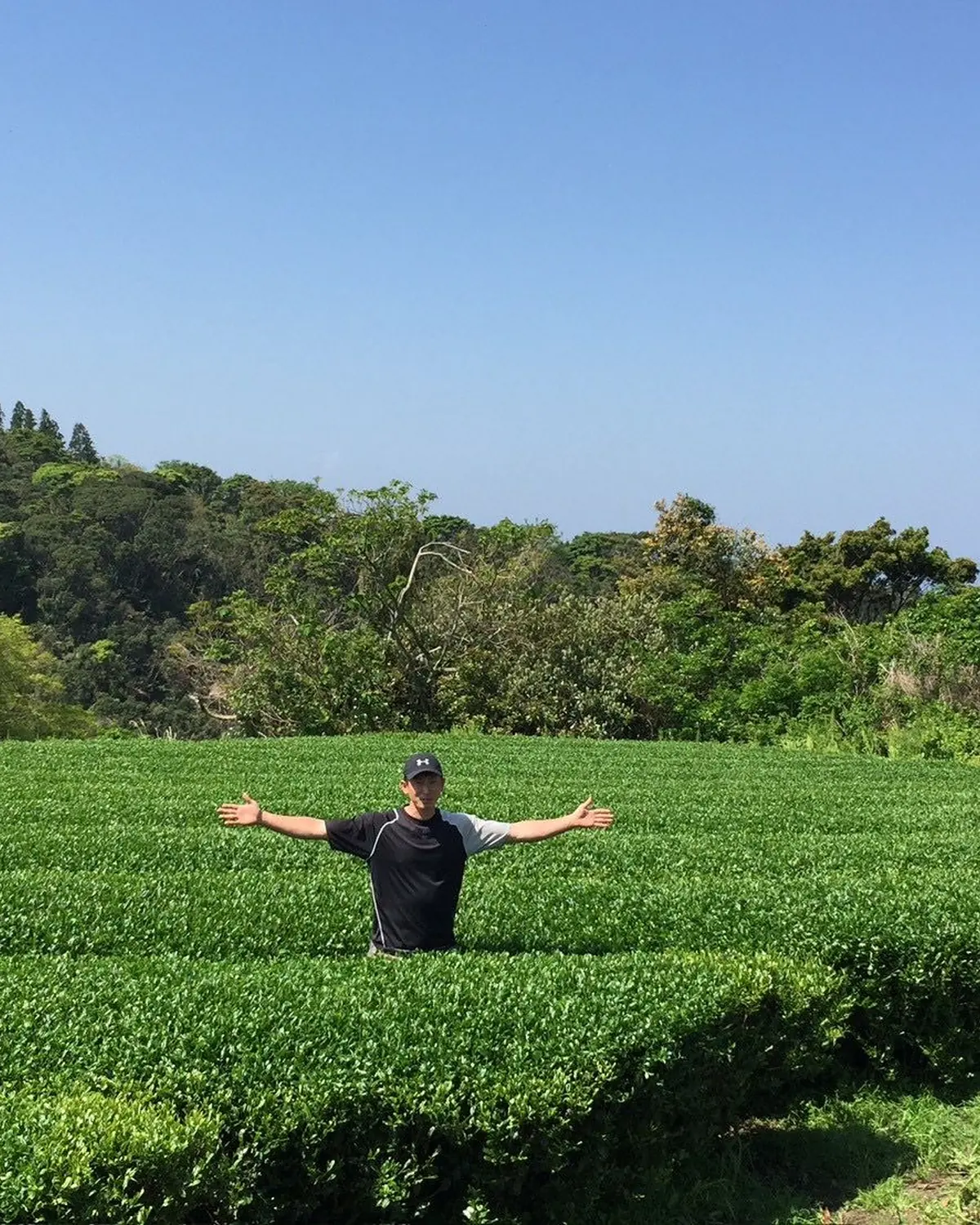
Inoue Tea Company was founded in 2015 in Yodo, on the southern edge of Kyoto, where the Uji and Kizu rivers meet.
We work with tea farmers in five of Japan's matcha regions and have the leaf processed and stone-milled in each one, rather than shipping everything to a single plant. It costs more. It also means a Kagoshima Saemidori still tastes like Kagoshima Saemidori when it reaches you.
Everything we sell is sold to businesses: cafés, bakeries, beverage manufacturers, private-label brands and distributors. Our largest partner is AU MATCHA, one of Australia's biggest matcha wholesalers.
02Catalogue
Grade is decided by one thing: how many days the plants stood under cover before harvest. Longer shade means more theanine, deeper colour and less astringency — and a higher price.
Coarser mill, holds colour against sugar, dairy and oven heat.
Blended to stay green in milk and disperse in a shaker.
Clean umami with enough body to drink straight or in a short milk drink.
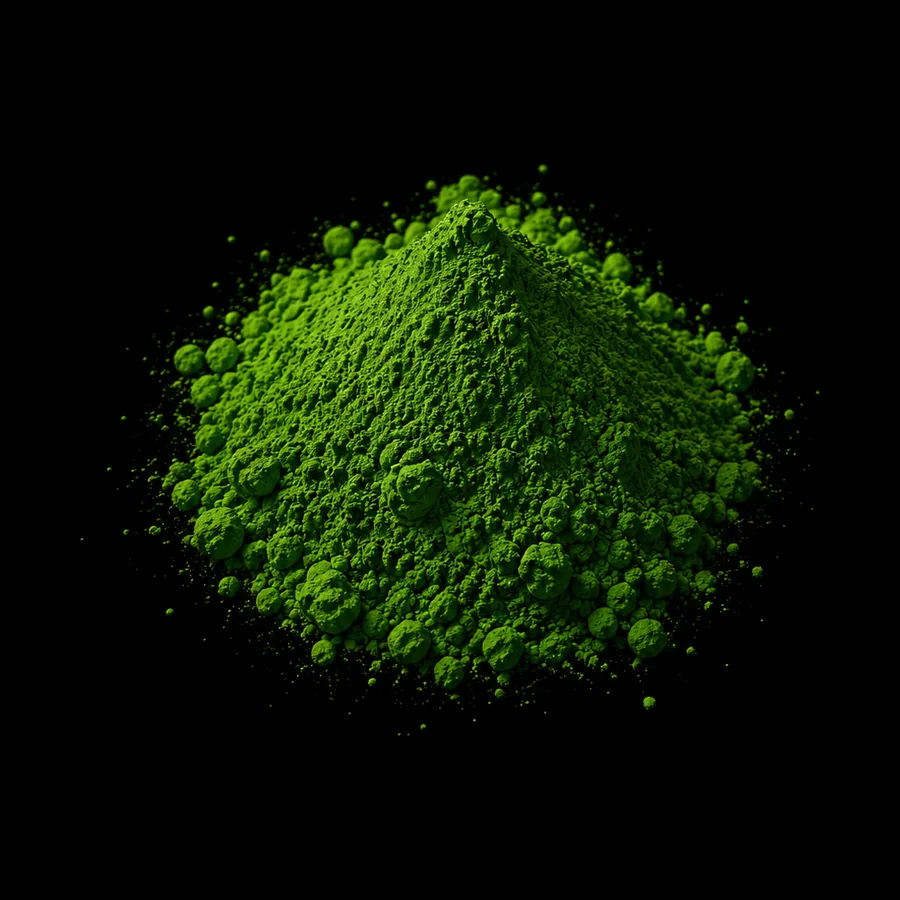
Hand-picked first flush, stone-milled to 5–8 µm. Single-cultivar character.
The longest shade we buy. Small lots, named gardens, allocated by harvest.
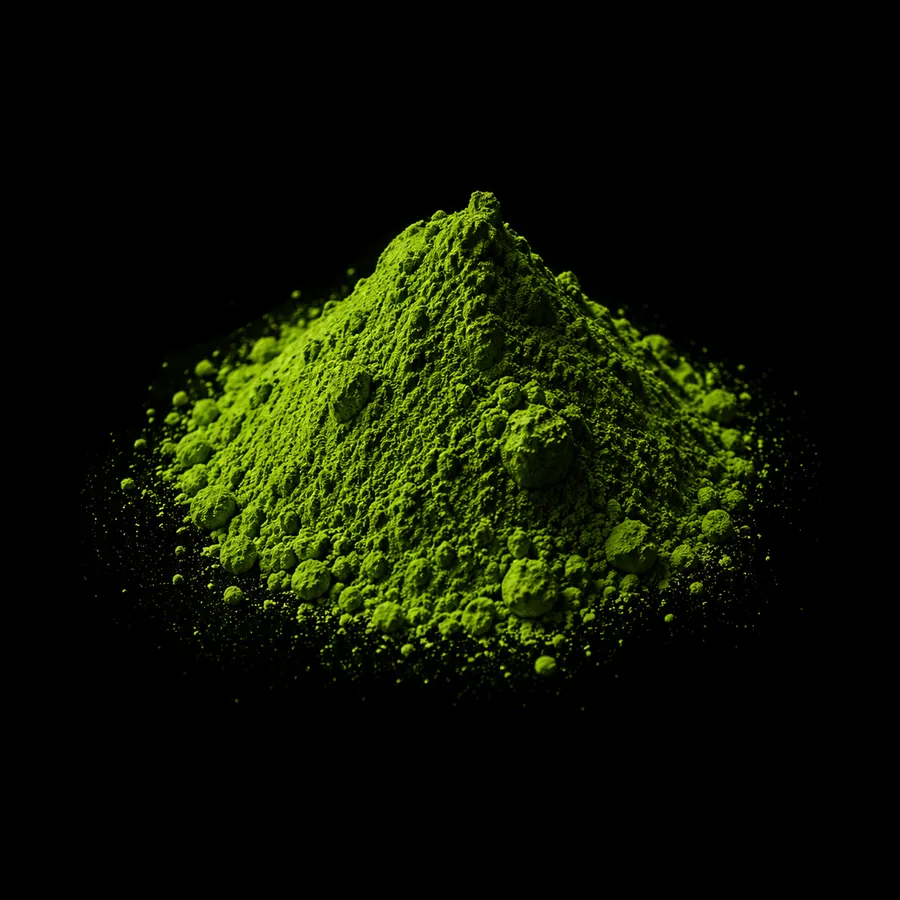
KoichaITC-K01
Single cultivar · Uji Tawara, Kyoto
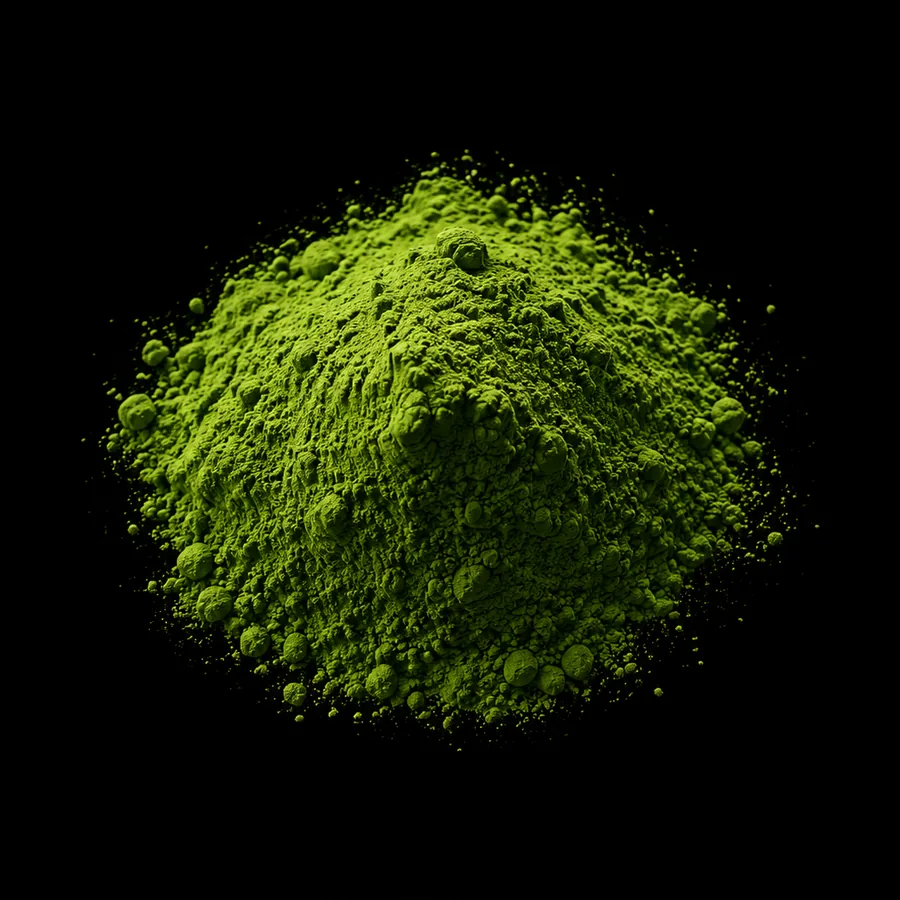
 Ceremonial
ITC-C02
Single cultivar · Uji, Kyoto
 Ceremonial
ITC-C03
Single cultivar · Uji, Kyoto
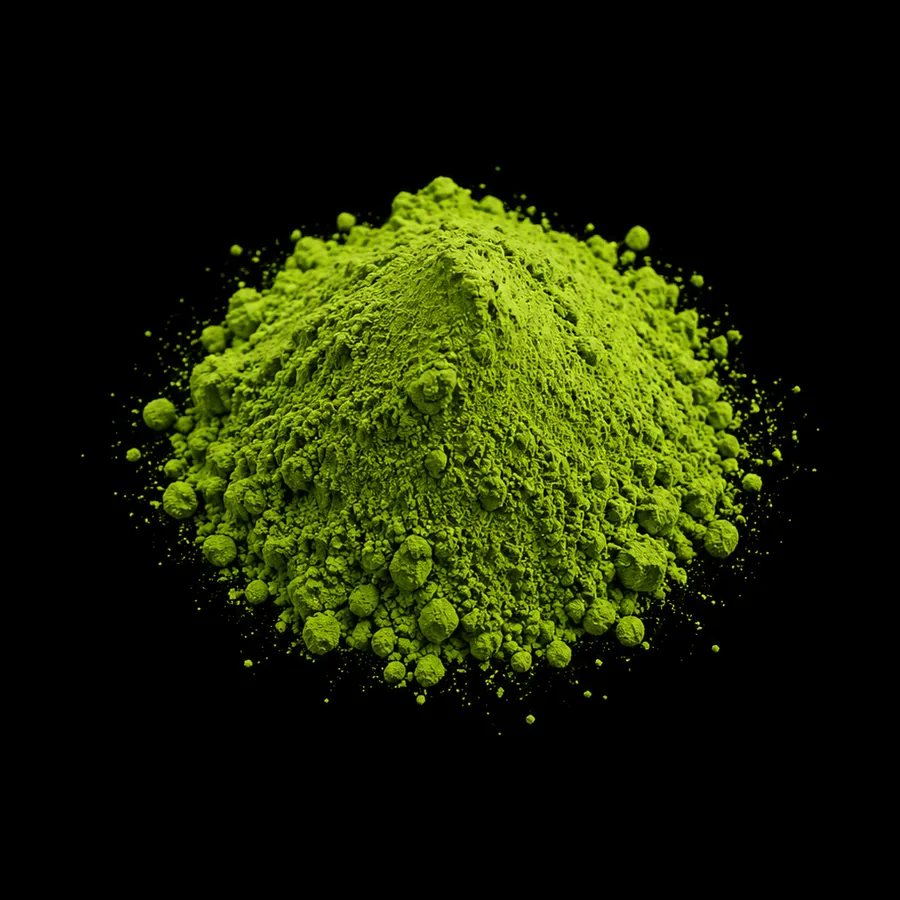
 Ceremonial
ITC-C04
Single cultivar · Kanoya, Kagoshima
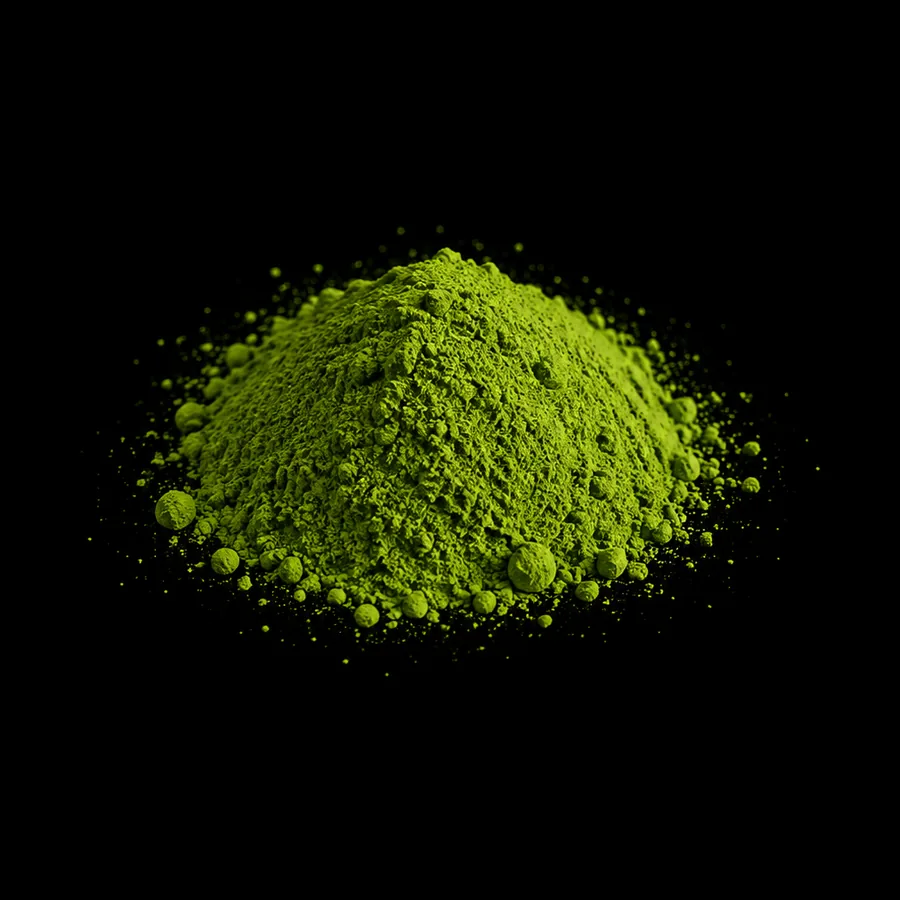
 Ceremonial
ITC-C05
Saemidori · Okumidori · Samidori
 Premium
ITC-P06
Yabukita · Okumidori · Yame, Fukuoka
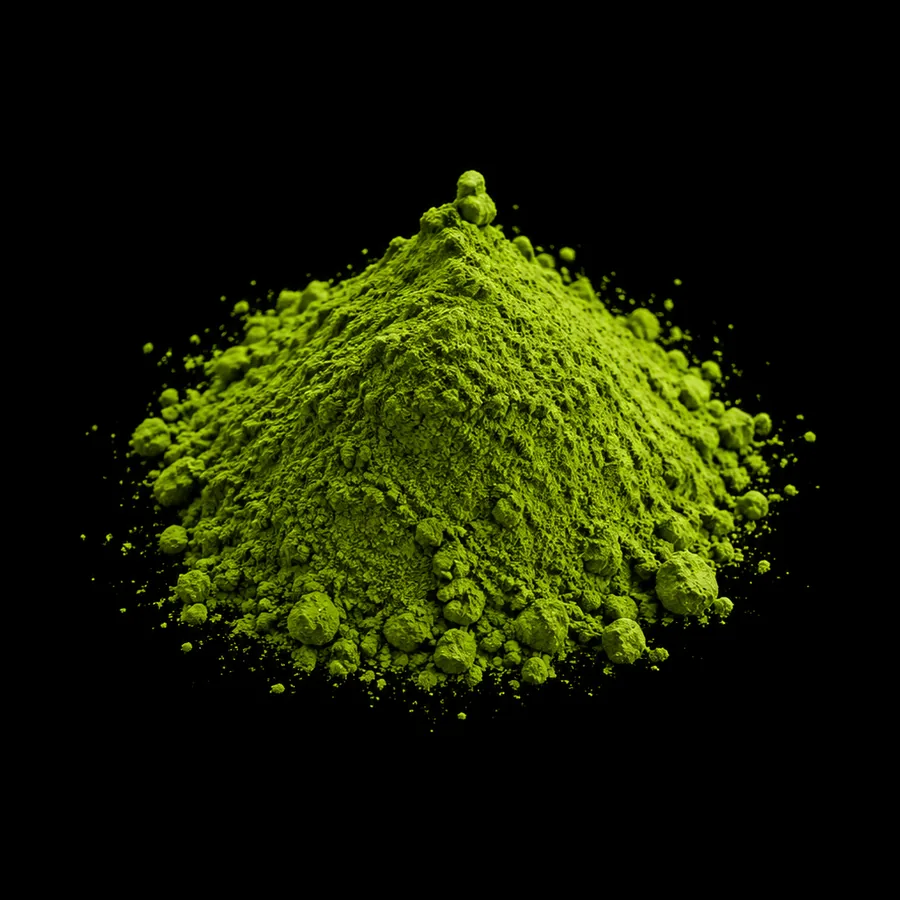 Premium
ITC-P07
Yabukita · Okumidori · Nishio, Aichi
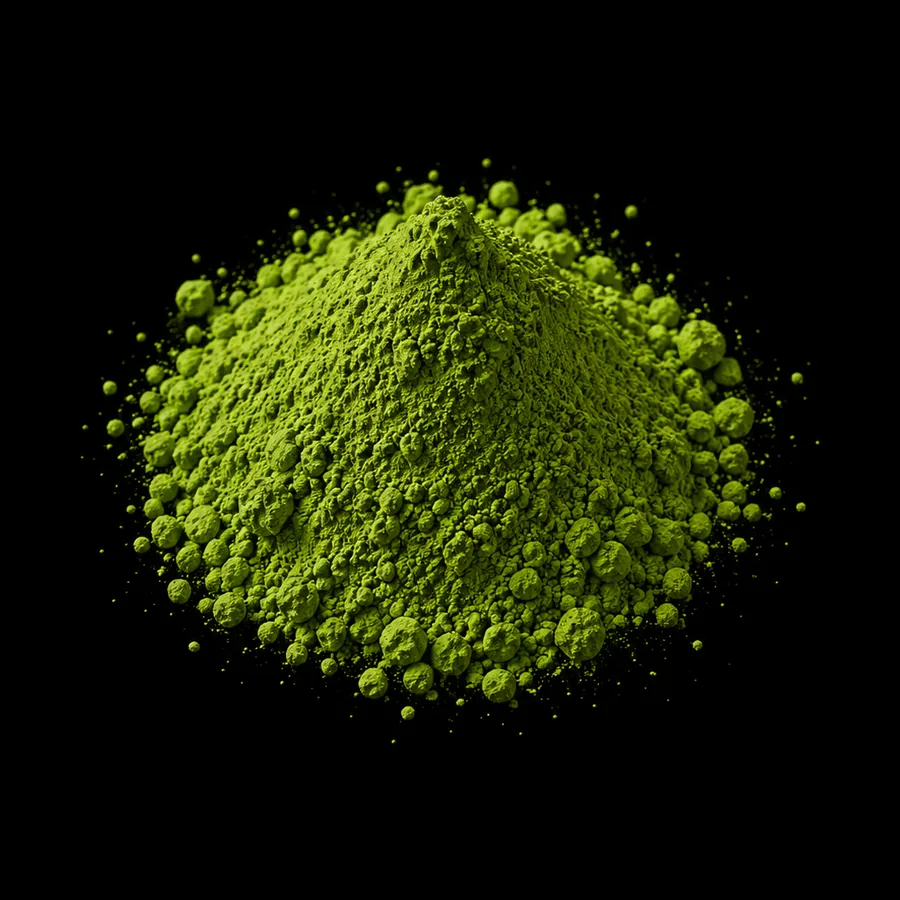 Barista
ITC-B08
Blend · Nishio, Aichi & Kagoshima
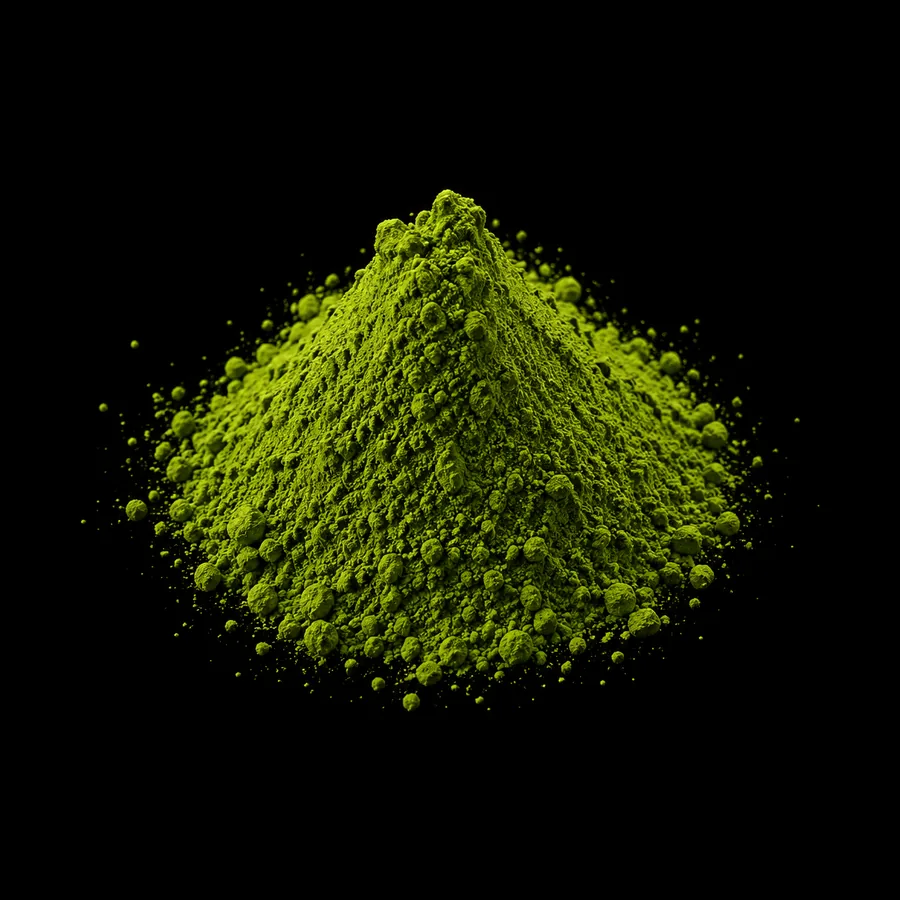 Barista
ITC-B09
Blend · Shizuoka
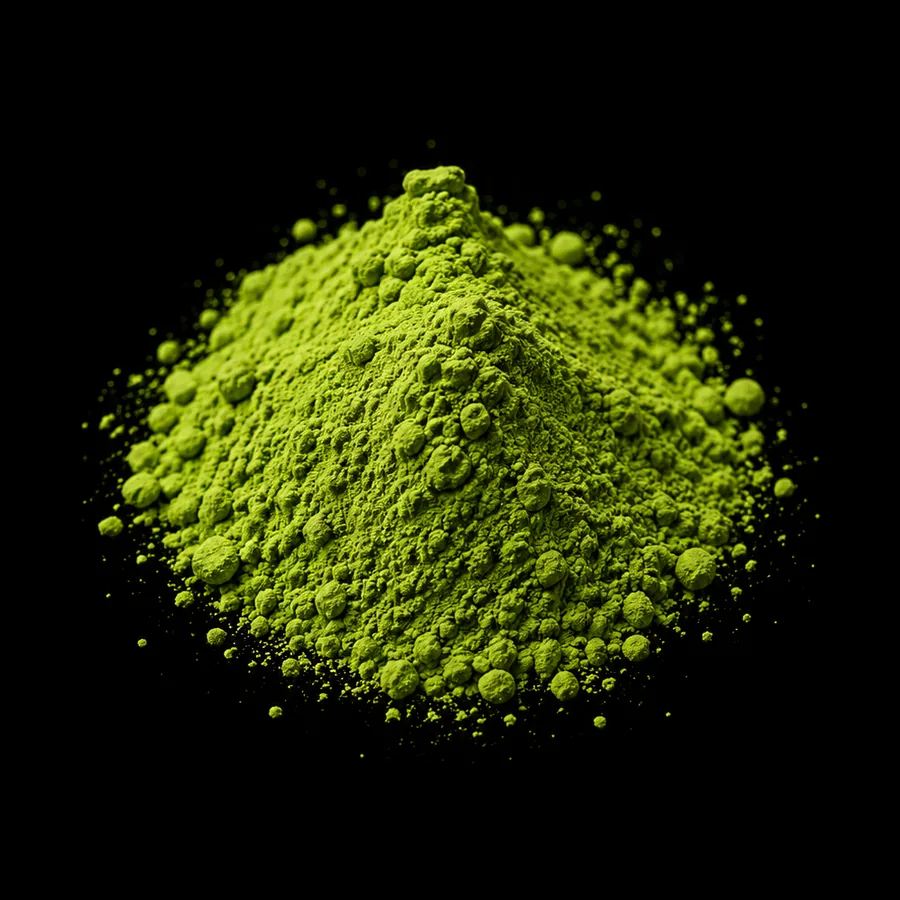 Culinary
ITC-U10
Blend · Nishio, Aichi
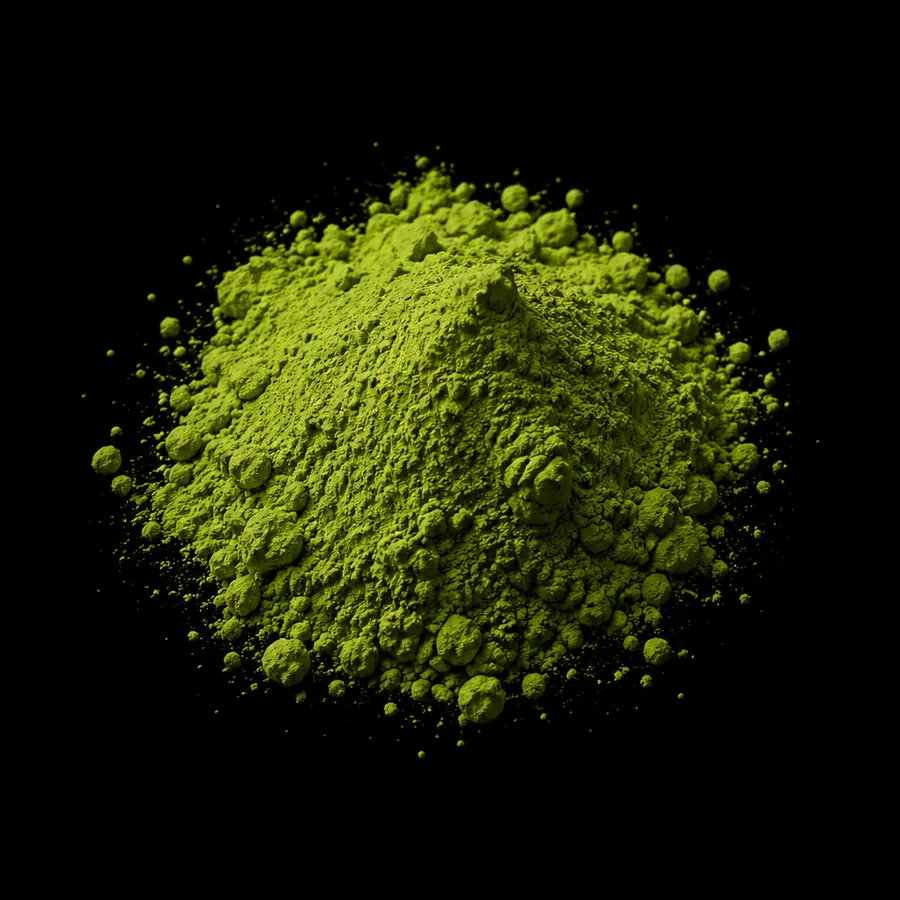 Culinary
ITC-U11
Blend · Shizuoka
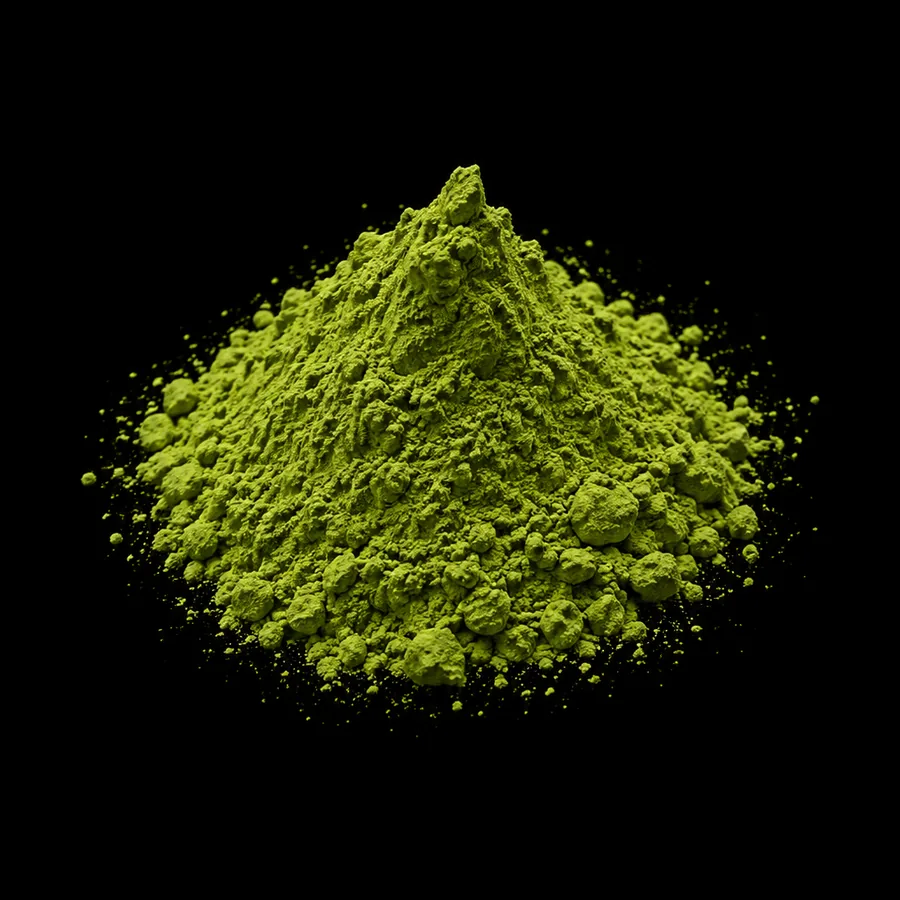 Culinary
ITC-U12
JAS organic · Kanoya, Kagoshima
Trade pricing is issued per lot and per volume. Open an account to see the full list of 30+ grades.
Get the trade list03Five regions
We contract with farmers in each region and have the tencha steamed, dried and stone-milled locally. Five supply lines instead of one is harder to run and impossible to fake.
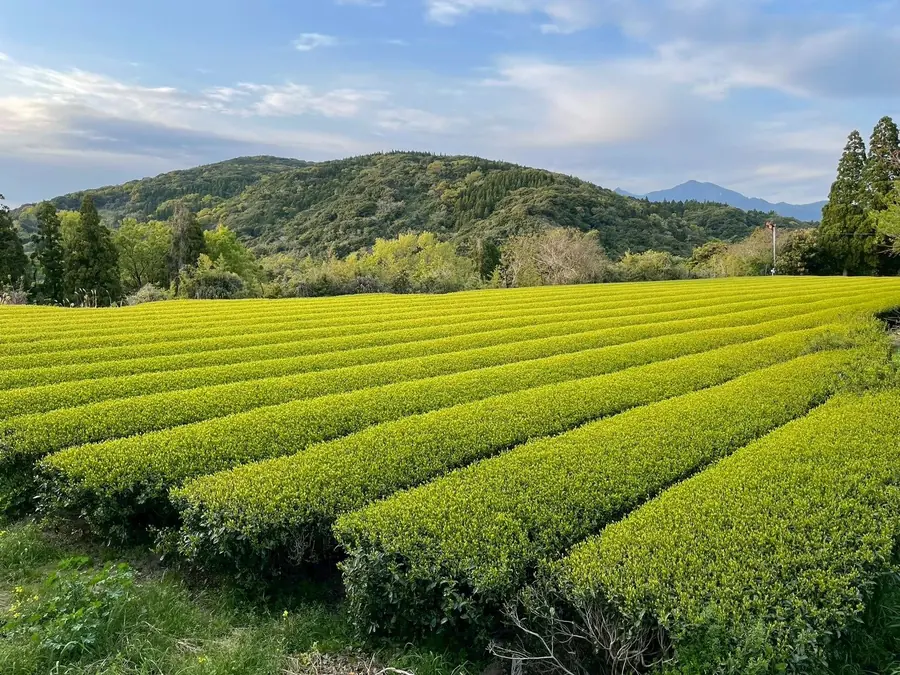
Region 01
The reference point. Eight hundred years of tencha growing, the deepest umami we buy, and the only region where we take koicha lots. Small volumes, long shade, high prices — and worth it on a tasting menu.
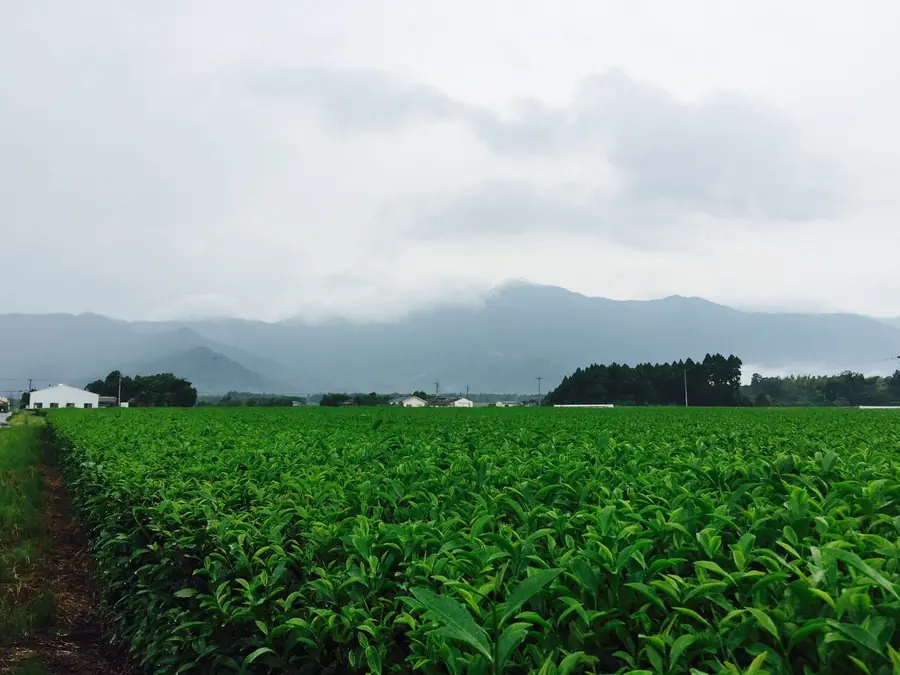
Region 02
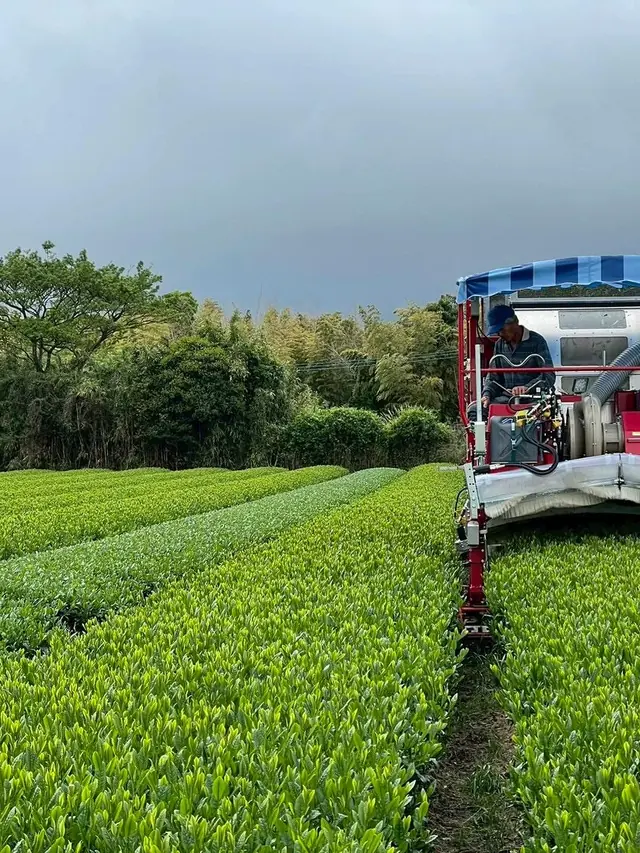
Japan's industrial heart for matcha, and the reason your culinary line can hold a price. Flat river terrain, mechanised harvest, dependable colour at volume. This is where most of our barista and baking grades begin.
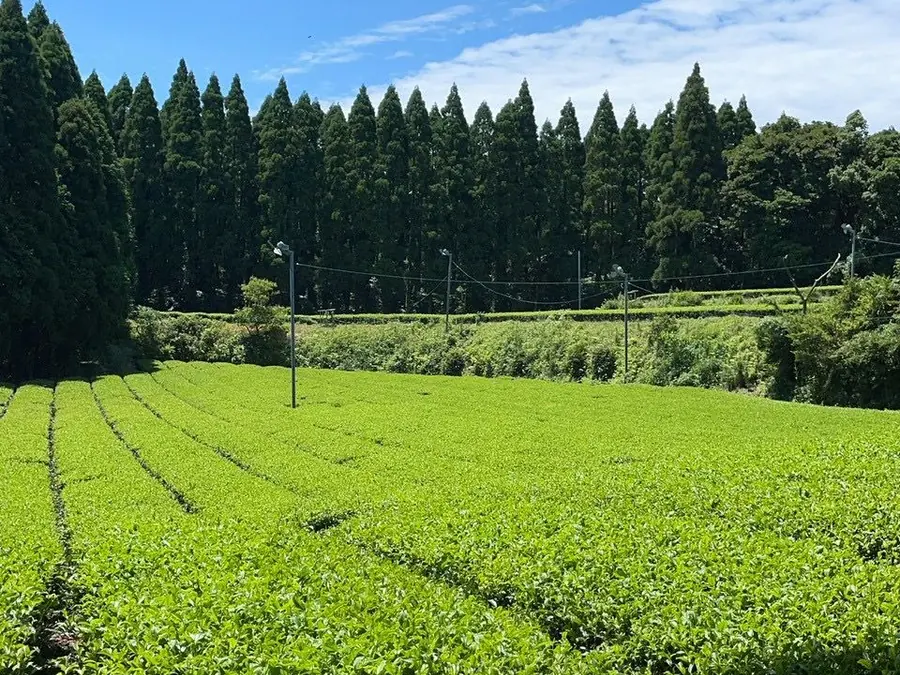
Region 03
Bright, brisk and clean on the finish. Shizuoka leaf disperses beautifully in cold water, which is why our cold-brew and confectionery grades come from here rather than from the shaded gardens further west.
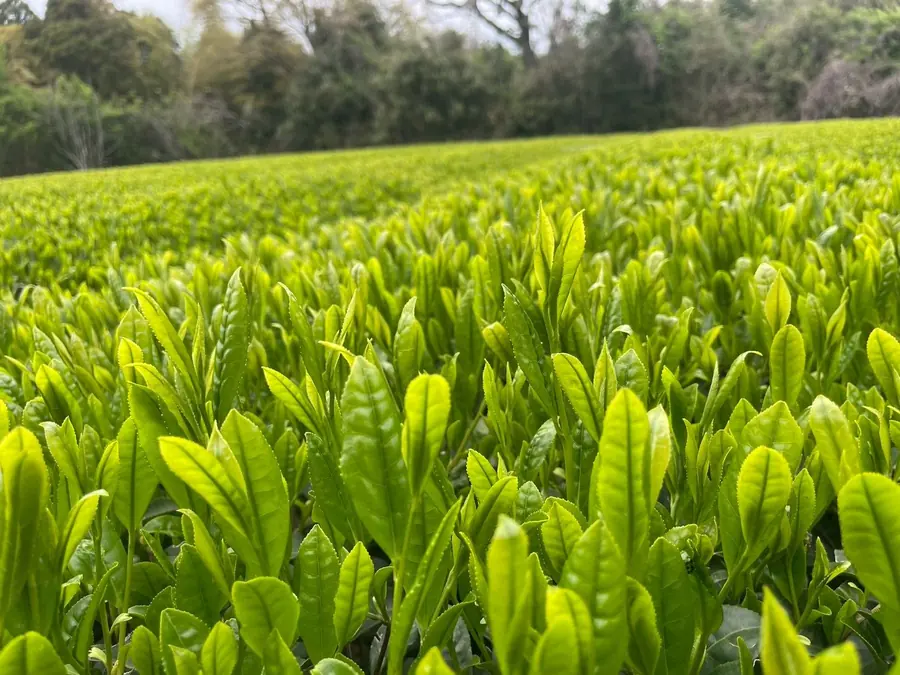
Region 04
Volcanic ash soil on the Kasanohara plateau — flat enough that Japan’s first upland irrigation scheme was built here, and mechanised earlier than anywhere else. Warm winters bring the country’s earliest first flush, and the Saemidori off it comes out almost sweet: the most vivid colour in our range, and the grade cafés reach for when the drink has to photograph as well as it tastes.
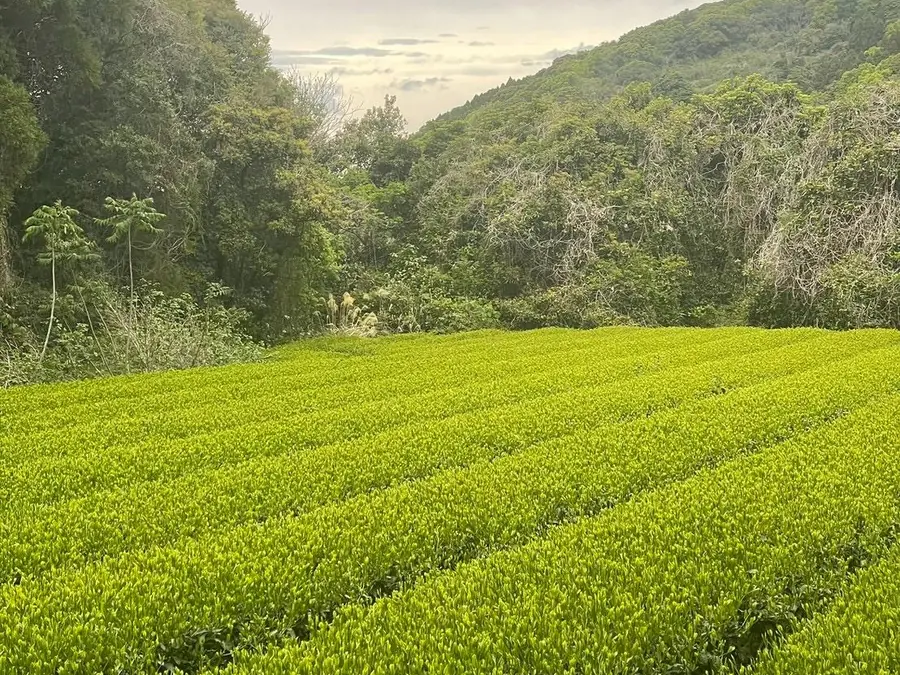
Region 05
Mountain mist, wide day-night temperature swings, and a thick-bodied tea that stands up to milk without turning grassy. Our premium latte grade leans on Yame for exactly that reason.
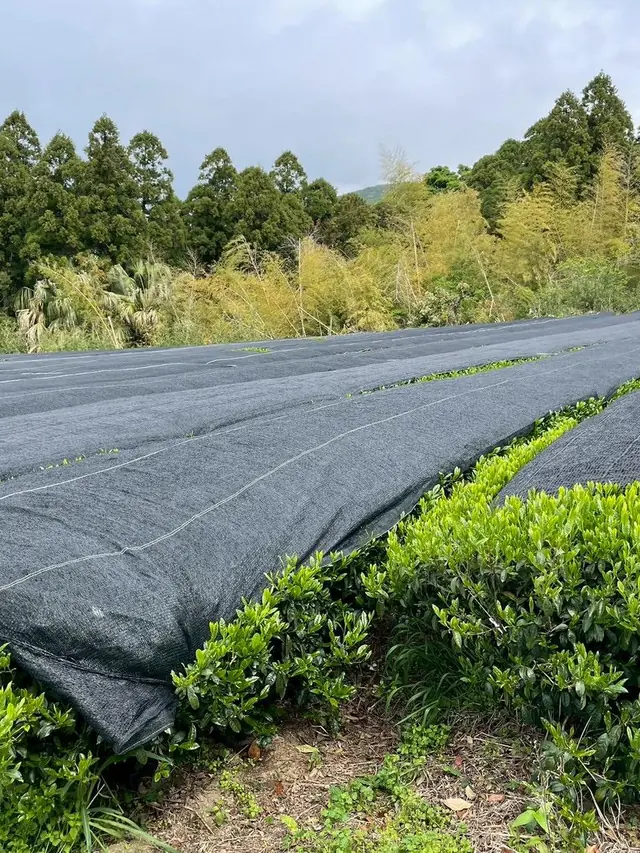
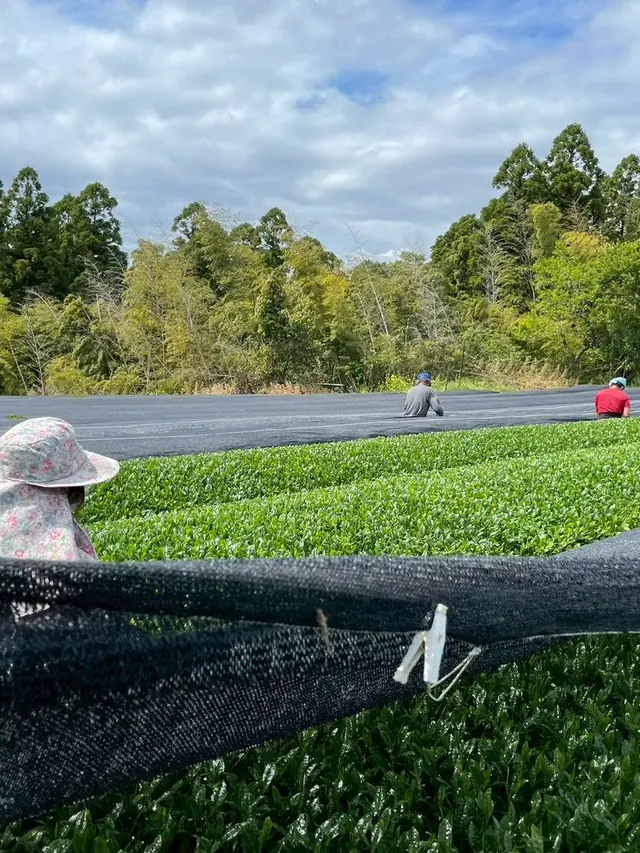
Twenty days in the dark is the whole difference between a cheap green powder and a matcha you can charge for.
Covered rows before the first flush04Leaf to powder
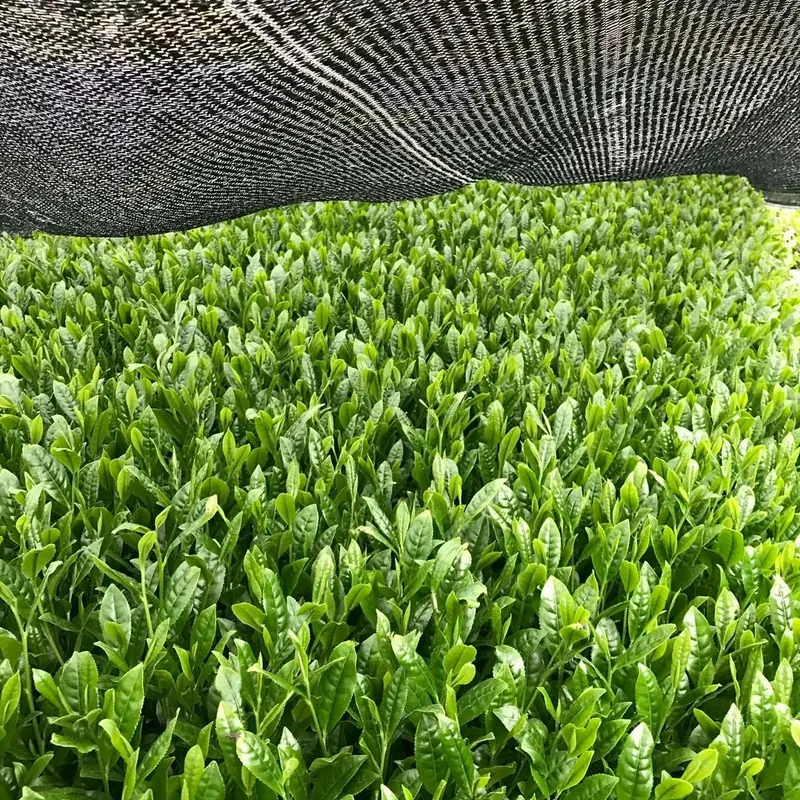
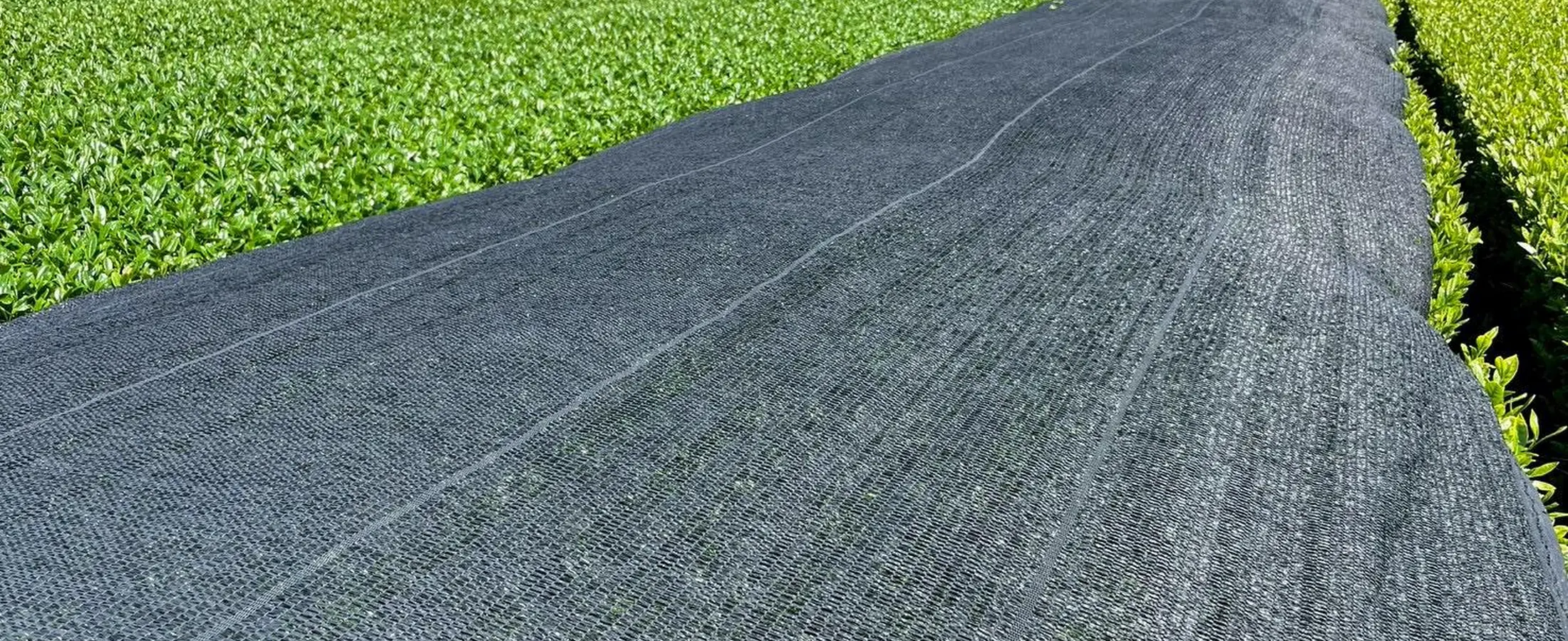
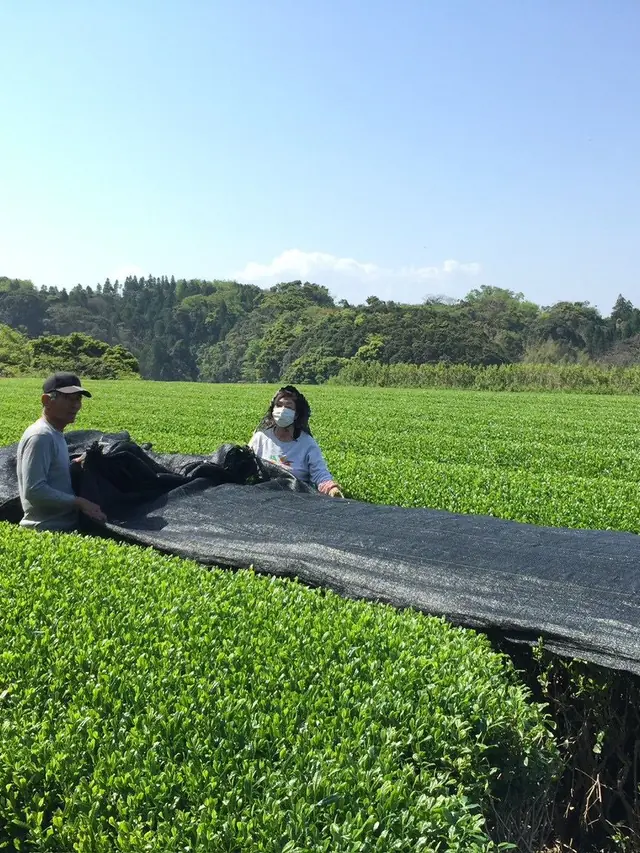
Reed screens or black mesh go over the rows in April. From that day the plant stops making catechin and starts hoarding theanine. We specify the number of days per lot.
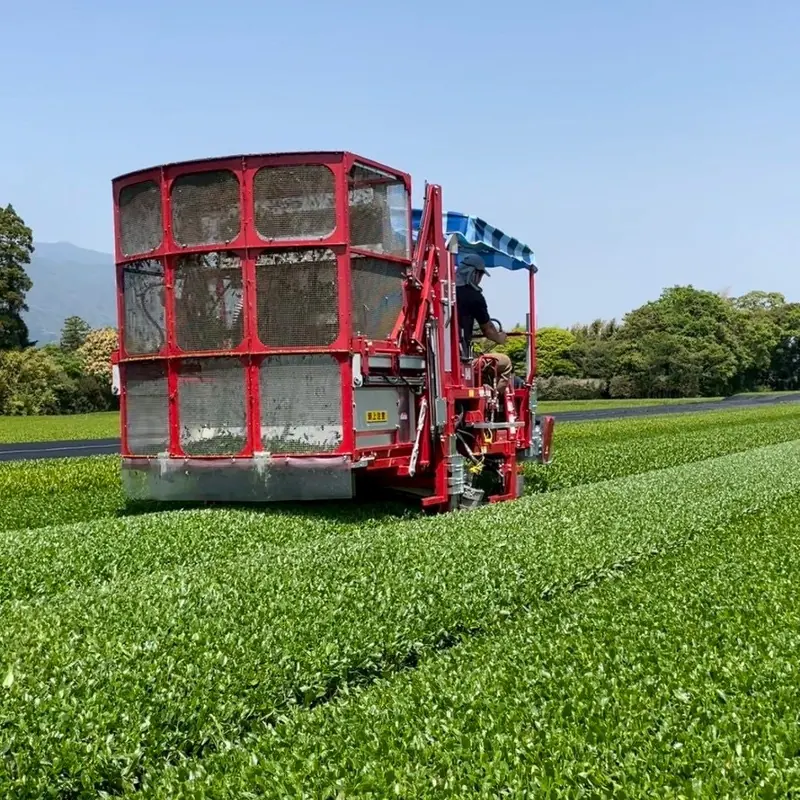
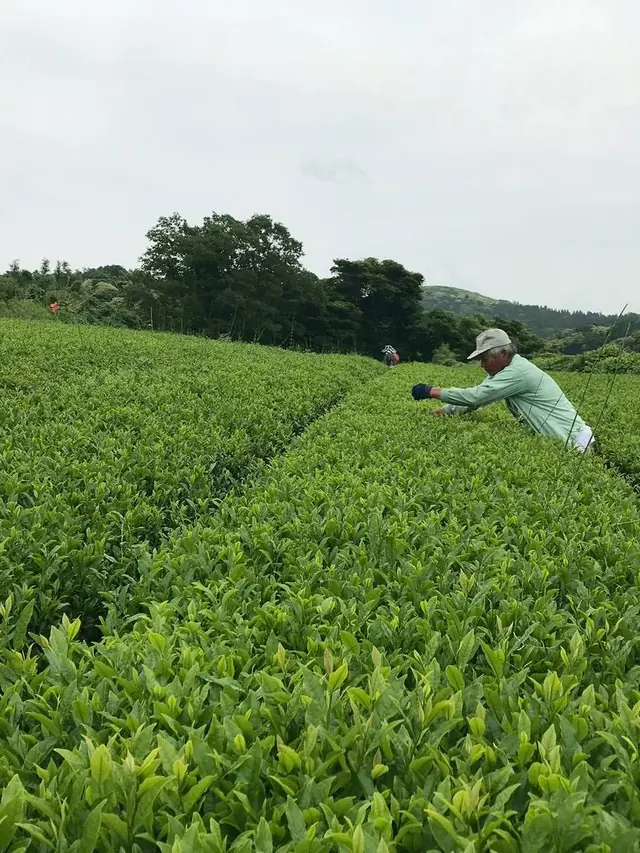
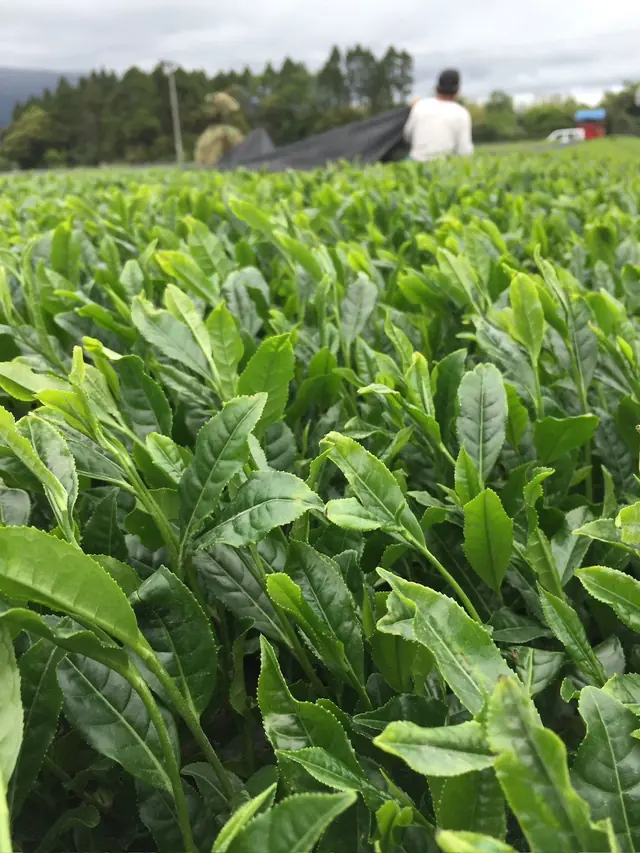
First flush only for premium and above, hand-picked for koicha. Leaf reaches steam within hours — oxidation is the enemy and distance is oxidation.
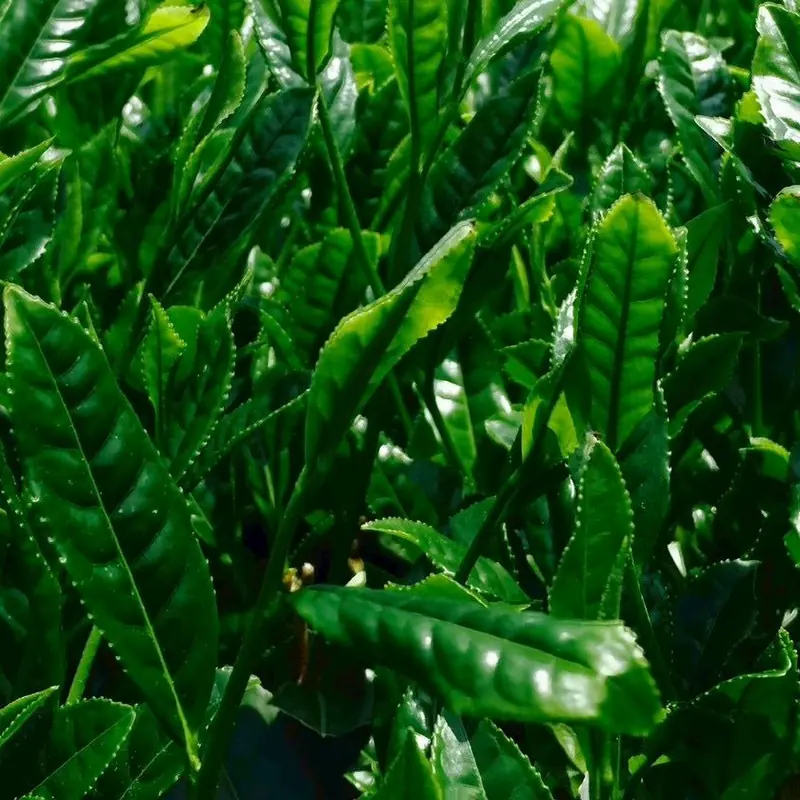
Steamed for around twenty seconds, dried without rolling, then stem and vein are separated out. What survives is tencha, and only the leaf flesh goes forward.
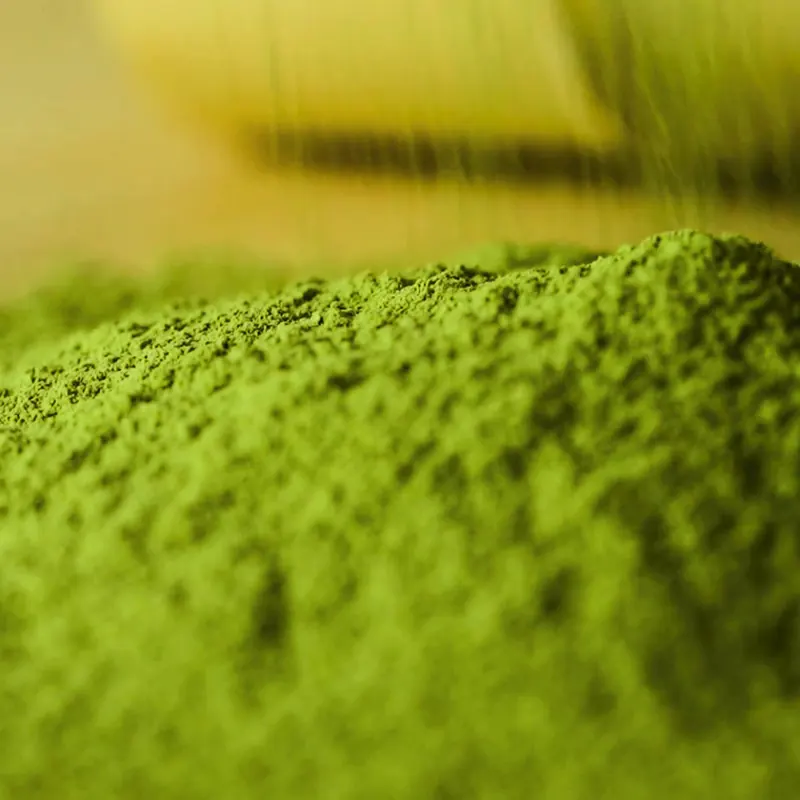
Granite mills turn at roughly thirty revolutions a minute and yield about forty grams an hour. Faster grinding heats the powder and kills the aroma. There is no shortcut here.
05Who buys from us
You need one grade that survives a milk drink and one that stands alone, both at a cost you can put on a menu board.
Colour that holds through the oven and a price that works at 3% of batch weight.
Consistency across production runs, documentation your QA team will accept, and your name on the tin.
A range with a story, a margin that survives freight, and stock that arrives when you said it would.
06Quality & documentation
Matcha is a raw agricultural powder sold into food manufacturing. That means paperwork, and we would rather hand it over before you ask.
Every production lot carries a lot number that traces back to the farm, the harvest date and the mill. Certificates of analysis are issued with the shipment and archived for five years.
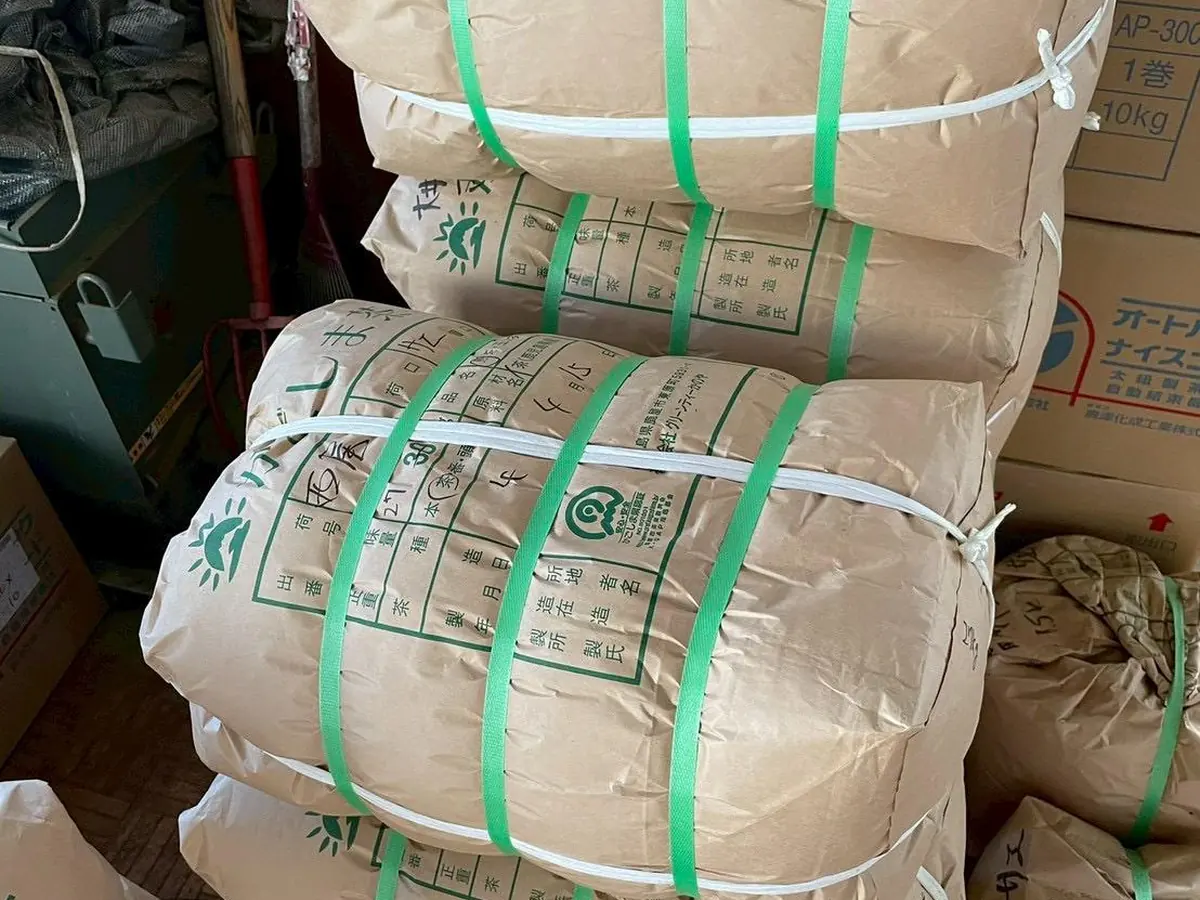
Residual pesticide analysis on every production lot against Japanese, EU and Australian import limits. Reports issued with the shipment.
Lead, cadmium, arsenic and radiocaesium testing available per lot. Standard on all export orders to the EU and Australia.
Laser diffraction particle size and L*a*b* colour reading per lot, so a repeat order matches the sample you approved.
Nitrogen-flushed aluminium barrier packs in 250 g, 1 kg and 20 kg. Oxygen ingress is what turns matcha brown, not time.
Held at −5 °C in Kyoto until the day it ships. Unopened and refrigerated, colour holds for twelve months from mill date.
JAS Organic and EU Organic lots available on request from Kagoshima and Shizuoka. Halal-certified lots on request.

07Partner
“Five regions, one invoice, and the same colour in the cup every quarter. That is the whole reason we buy from Inoue Tea instead of from a broker.”AU MATCHA — one of Australia’s largest matcha wholesalers
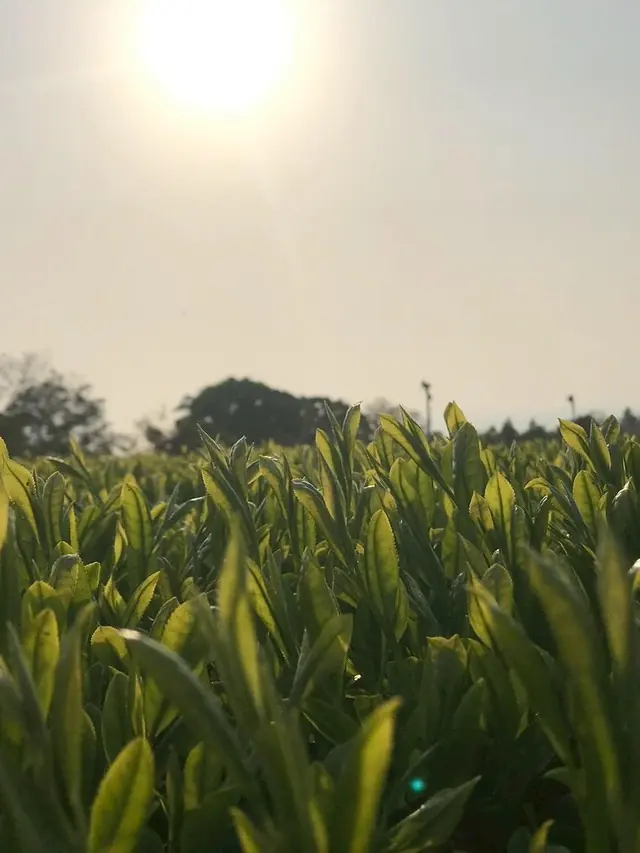
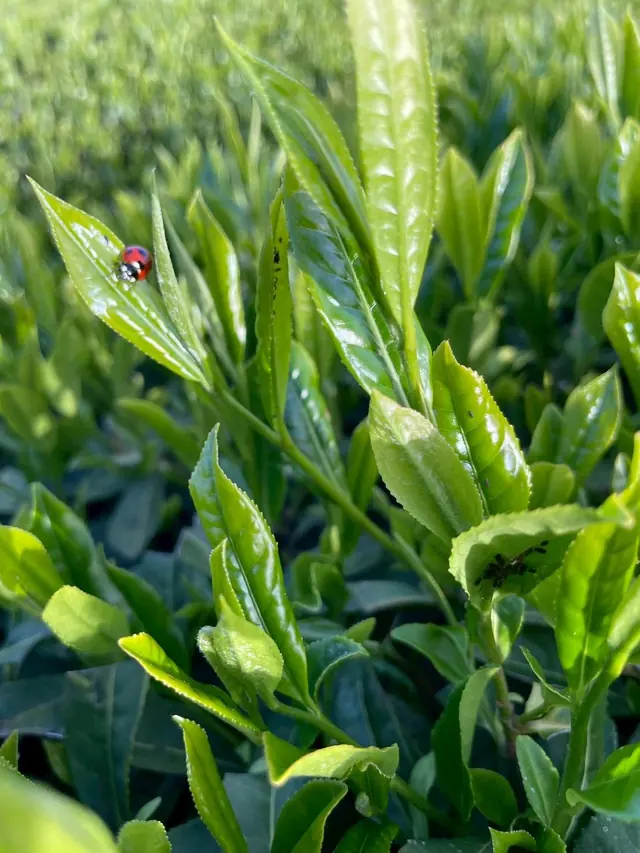
08The gardens
09How to order
Your format, your volume, your market. We reply within one business day with the grades that actually fit — usually fewer than you expected.
20 g of each grade with lot data and a suggested dose for your application. Shipped within three business days. First kit is free within Japan, at cost internationally.
Pricing per grade and volume band, incoterms, payment terms and a reserved harvest allocation if you want one. Account opens on first confirmed order.
Stocked grades leave Kyoto in five business days; milled-to-order lots in two to three weeks. Air 5–7 days, sea 3–5 weeks, documents prepared for your port.
Most grades start at 1 kg per SKU, shipped as four 250 g foil packs. Culinary grades start at 5 kg because they are milled in larger runs, and koicha grades start at 500 g because those lots are allocated by harvest. There is no minimum on a sample kit.
Yes, and we would rather you did. Choose up to six grades and we send 20 g of each with the lot data and a suggested dose for your application. Sample kits ship within three business days of a confirmed request.
Yes. We fill 20 g to 1 kg formats under your own label — tins, stand-up pouches and single-serve sachets. Private label runs start at 300 units per SKU and take six to eight weeks from artwork approval, including a printed proof for sign-off.
Stocked grades ship from Kyoto within five business days. Milled-to-order and reserved harvest lots take two to three weeks. Air freight reaches most destinations in five to seven days; sea freight takes three to five weeks door to door.
We ship worldwide and export regularly to Australia, New Zealand, Southeast Asia, North America, the UK and the EU. We quote EXW Kyoto, FOB Osaka or DDP, and prepare the phytosanitary and origin documentation your destination requires.
Shading time and harvest, mostly. Ceremonial grades come from first-flush leaf shaded for twenty days or more, which raises theanine, deepens the colour and strips out astringency; they are milled to 5–8 µm for drinking straight. Culinary grades use later leaf with 5–7 days of shading and a coarser mill, so they hold colour and flavour against sugar, dairy and oven heat — and cost roughly a third as much.
10Open an account
We answer trade enquiries within one business day, in English or Japanese.
Build a sample kit — 0 selected
Request